
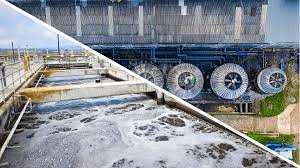
Water is the lifeblood of our cities and industries. But what happens after we use it?
Welcome to the hidden world of wastewater streams — the complex flow of used water that carries everything from household soap to factory sludge. While most of us don’t give it a second thought, wastewater management plays a critical role in protecting our health, environment, and future water supply.
Let’s dive into the two main types of wastewater: municipal and industrial, how they differ, and why treating them properly matters more than ever.
Municipal Wastewater: The City’s Dirty Secret
Also called domestic wastewater, municipal wastewater comes from our homes, schools, restaurants, and offices. It includes:
- Greywater: from sinks, showers, and laundry Blackwater: from toilets (yes, it’s what you think)
- Food and organic waste from kitchens
- Detergents, soaps, and cleaning products
Did You Know?
The average person generates 50–100 gallons of wastewater per day! Multiply that by a city of millions, and you’ve got a massive flow of contaminated water that needs treatment — fast.
Industrial Wastewater: Heavy-Duty H2O
Industrial wastewater is a whole different beast. It’s the used water from factories, manufacturing plants, mining operations, and refineries. Depending on the industry, it may contain:
- Toxic chemicals and solvents
- Heavy metals (lead, mercury, chromium)
- Oily residues and hydrocarbons
- Thermal pollution (hot water discharges)
- Pathogens or biological byproducts (especially in food and pharma industries)
Why It Matters:
Improperly treated industrial wastewater can pollute rivers, harm aquatic life, and even contaminate drinking water supplies.
Two Streams, One Goal: Treatment and Recovery
Although municipal and industrial streams have different compositions, both follow a similar journey:
- Collection — via sewer systems or pipes
- Pre-treatment — screening out large debris or neutralizing extreme pH
- Primary Treatment — settling out solids (sludge)
- Secondary Treatment — biological processes to remove organic matter
- Tertiary Treatment — advanced filtration, disinfection (UV/chlorine), nutrient removal
- Discharge or Reuse — safely released or recycled for irrigation, industry, or even drinking
Toward a Circular Water Economy
Here’s the exciting part: wastewater is no longer just “waste.” It’s a resource.
- Treated water can be reused in agriculture and industry
- Sludge can be turned into biogas for energy
- Valuable nutrients like phosphorus can be recovered
By treating wastewater effectively, we not only protect the planet — we close the loop on the water cycle and move toward a more sustainable future.